Aluminum Foundry benefits that help enhance project development
Wiki Article
How 3D Printing Sustains Tooling and Pattern Development in Light Weight Aluminum Foundries
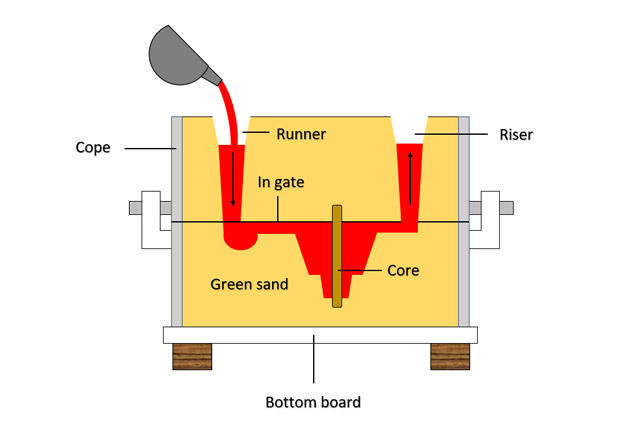
Benefits of 3D Printing in Tooling and Pattern Growth
As 3D printing technology proceeds to develop, it supplies significant advantages in tooling and pattern growth for aluminum shops. Among the main benefits is the decrease in preparations. Standard tooling approaches often require comprehensive machining and manual work, which can delay production routines. In contrast, 3D printing permits fast prototyping, making it possible for foundries to produce patterns and molds promptly.3D printing minimizes material waste. Standard approaches usually involve removing excess material, whereas additive manufacturing builds up components layer by layer, optimizing material use. This performance not just minimizes prices yet likewise sustains sustainability initiatives within the market
Furthermore, the ability to create intricate styles enhances the overall top quality of castings. With 3D printing, shops can generate intricate geometries that were formerly difficult or impossible to attain with typical strategies, bring about improved product efficiency and development in style.
Boosted Style Versatility and Complexity
The integration of 3D printing technology in aluminum foundries significantly improves design adaptability and complexity. Traditional production techniques typically enforce restrictions on geometric details and style variations. On the other hand, 3D printing permits the production of detailed styles that were formerly unattainable, allowing designers and designers to innovate without the restraints of standard tooling processes. Complex internal frameworks, lattice styles, and tailored attributes can now be easily produced, substantially broadening the range of design opportunities.Furthermore, this modern technology facilitates the fast model of styles, permitting for modifications and refinements to be made promptly in response to screening and feedback. Therefore, factories can better meet certain consumer needs and adjust to market demands. The boosted design versatility not just promotes creativity but also contributes to the advancement of a lot more effective and maximized parts, inevitably boosting overall item high quality and efficiency in light weight aluminum spreading applications.
Quick Prototyping and Manufacturing Efficiency
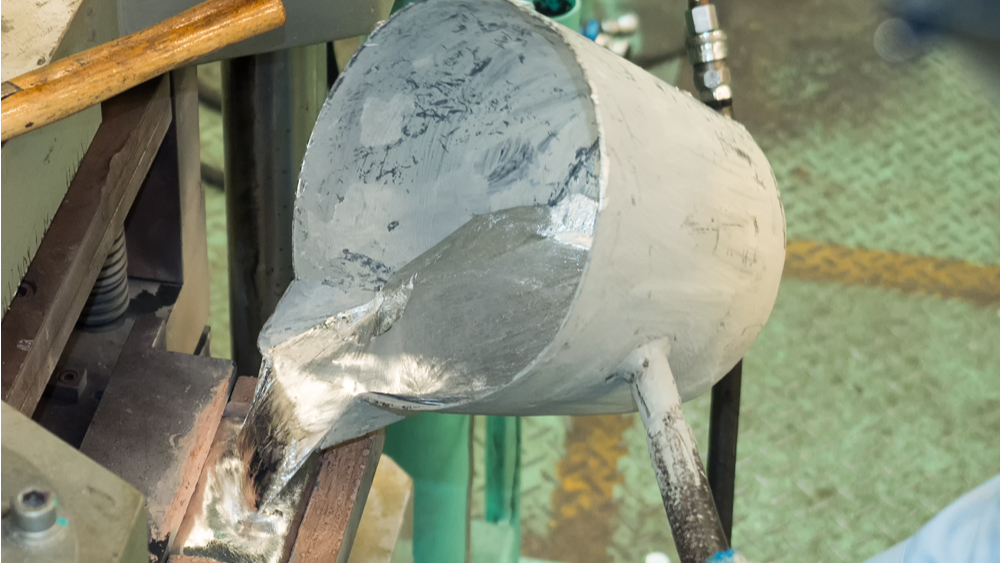
In addition, 3D printing helps with the production of intricate geometries that were previously hard or impossible to accomplish with traditional techniques. Therefore, light weight aluminum foundries can produce lightweight yet robust components that meet details performance needs. The ability to promptly create models also aids in recognizing prospective design imperfections early, leading my site to improved product top quality. Generally, quick prototyping via 3D printing positions aluminum shops to react quickly to market needs, consequently improving operational efficiency and competition.
Cost-Effectiveness and Material Cost Savings
Achieving cost-effectiveness is a considerable advantage of integrating 3D printing technology in light weight aluminum factories. The additive manufacturing procedure permits the production of complex geometries that standard methods may locate expensive or challenging to duplicate. This capacity results in the reduction of product waste, as elements are constructed layer by layer, making use of just the required quantity of product for each component.In addition, 3D printing decreases the requirement for extensive tooling and machining, which can be taxing and expensive. By lessening these needs, foundries can reduce their general production expenses while raising throughput. The capacity to swiftly repeat layouts also indicates that foundries can respond to market demands much more successfully, more boosting monetary performance. Moreover, the possibility for on-demand manufacturing gets rid of the requirement for big inventory supplies, permitting better cash money flow management. Overall, 3D printing provides a strategic advantage in achieving price financial savings and source efficiency in light weight aluminum factories.
Instance Researches: Successful Executions in Light Weight Aluminum Foundries
As aluminum shops progressively embrace 3D printing technology, countless study highlight its transformative influence on production procedures. One remarkable instance involves a mid-sized shop that executed 3D-printed sand molds, reducing preparations by 50%. This increased their production abilities while decreasing material waste. An additional study highlights a large operation that changed standard tooling with 3D-printed patterns for complex parts. This shift not only lowered expenses yet additionally improved the accuracy of their spreadings.
Furthermore, a start-up shop made use of 3D printing to create customized tooling, click site improving flexibility and enabling for fast layout modifications. This adaptability allowed them to react to market demands promptly. Collectively, these executions show exactly how 3D printing fosters expense, efficiency, and advancement savings in light weight aluminum factories, paving the method for future advancements in the market.

Often Asked Inquiries
What Kinds of Materials Are Made Use Of in 3D Printing for Light Weight Aluminum Foundries?
Different materials are used in 3D printing for light weight aluminum shops, including thermoplastics like abdominal and PLA, in addition to steel powders such as light weight aluminum and stainless steel, which improve resilience and precision in tooling and pattern growth.Just How Does 3D Printing Impact Conventional Manufacturing Methods in Foundries?
3D printing improves standard production methods in foundries by increasing design flexibility, lowering lead times, and minimizing material waste. This ingenious method permits quick prototyping, enabling quicker iterations and improved efficiency in manufacturing procedures.What Are the Typical Obstacles Faced When Carrying Out 3D Printing in Foundries?
Usual challenges faced when implementing 3D printing in foundries consist of high initial costs, material limitations, integration with existing procedures, training workforce on brand-new innovations, and guaranteeing quality assurance throughout production to fulfill industry standards.Can 3D Printing Be Made Use Of for Maintenance and Repair in Light Weight Aluminum Foundries?
Yes, 3D printing can be efficiently used for repair and maintenance in aluminum foundries, allowing fast production of extra parts and components. This development minimizes downtime and boosts operational performance, inevitably profiting overall productivity and cost-effectiveness.How Does 3D Printing Impact the Environmental Sustainability of Foundries?
3D printing boosts environmental sustainability in shops by lowering material waste, enabling effective production processes, and lessening energy consumption (Foundry). Its ability to create complicated geometries likewise advertises lightweight designs, even more decreasing the environmental footprint of productionThe combination of 3D printing technology in aluminum foundries substantially improves design versatility and intricacy. Fast prototyping has arised as an essential advantage of 3D printing in aluminum shops, considerably enhancing production efficiency. As light weight aluminum factories increasingly embrace 3D printing technology, many situation researches highlight its transformative effect on production processes. 3D printing boosts standard production approaches in foundries by boosting layout versatility, lowering lead times, and minimizing material waste. Yes, 3D printing can be efficiently utilized for upkeep and repair service in light weight aluminum shops, allowing quick manufacturing of review extra components and parts.
Report this wiki page